Our year in numbers
A look at our work in Nepal last year
Every year we publish an Annual Review, in addition to our Annual Report and Accounts, to show our supporters what we’ve achieved over the last year. The following figures are taken from our Annual Review, which covers July 2021 – June 2022.
Supporting impoverished Gurkha veterans
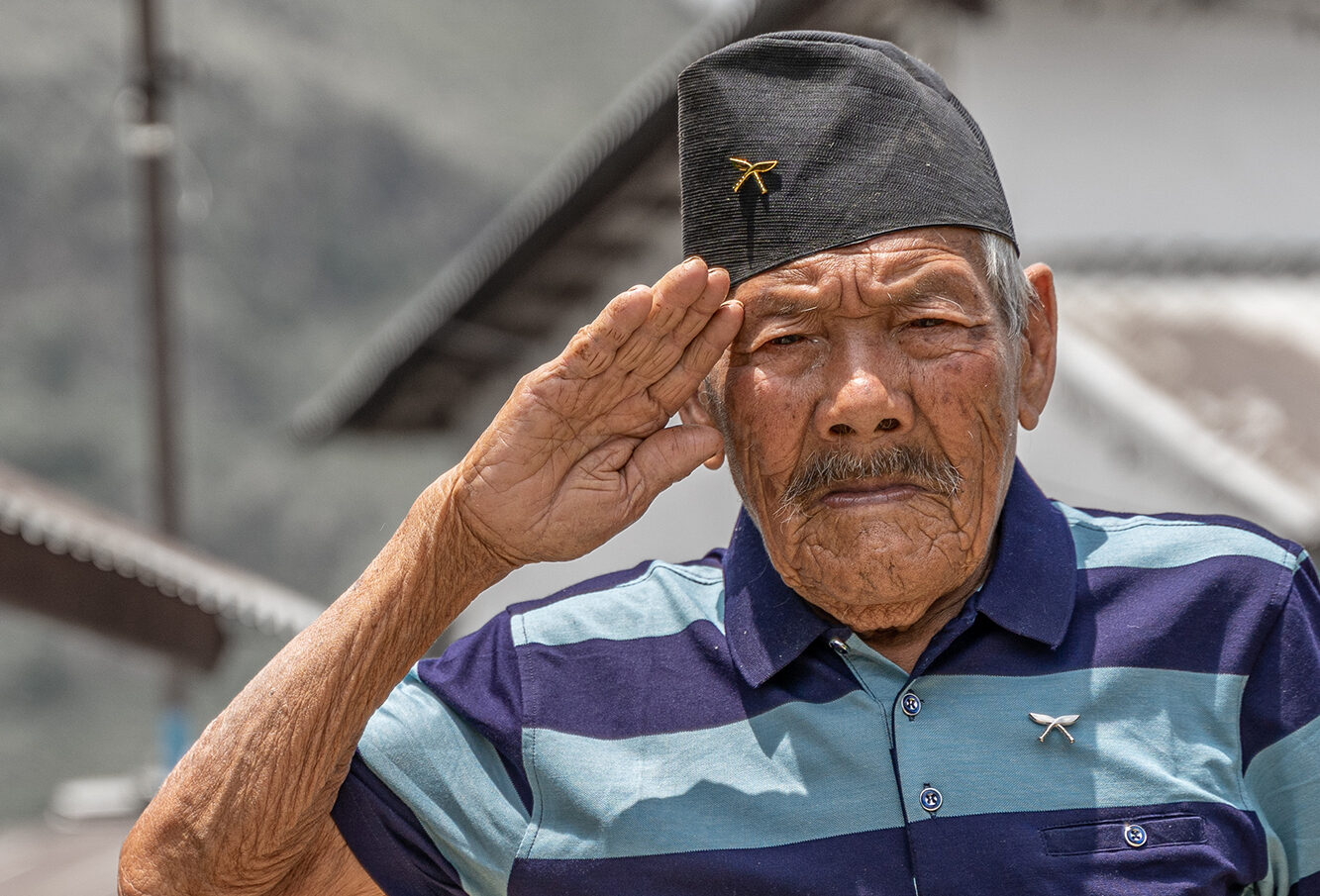
We pay a Welfare Pension to thousands of impoverished Gurkha veterans or widows.
Last year, 3,812 Gurkha veterans and widows received Welfare Pensions, with 51% aged over 80 years old. They received a pension worth 13,100 Nepali Rupees per month.
Our pension rate is calculated each year using a ‘shopping basket’ of basic goods such as rice, vegetables and firewood, and in comparison with the Government of Nepal’s minimum wage calculation. For many people, this is their only source of income.
We also provide financial aid through other grants. There were 232 recipients of the Disability Support Grant, which is provided to disabled dependents of Gurkha veterans and widows to help them live in comfort and dignity. 302 people received the Home Carer’s Allowance, usually awarded to family members of our most vulnerable pensioners who look after them full time. Emergency Hardship Grants were awarded to 1,346 people to repair or improve homes from flood, fire, earthquake, or landslide damage. Last year’s monsoon and other natural disasters damaged 13 pensioners’ homes, which were rebuilt or repaired from our Disaster Response fund.
Medical care for Gurkha veterans, their families and communities in Nepal
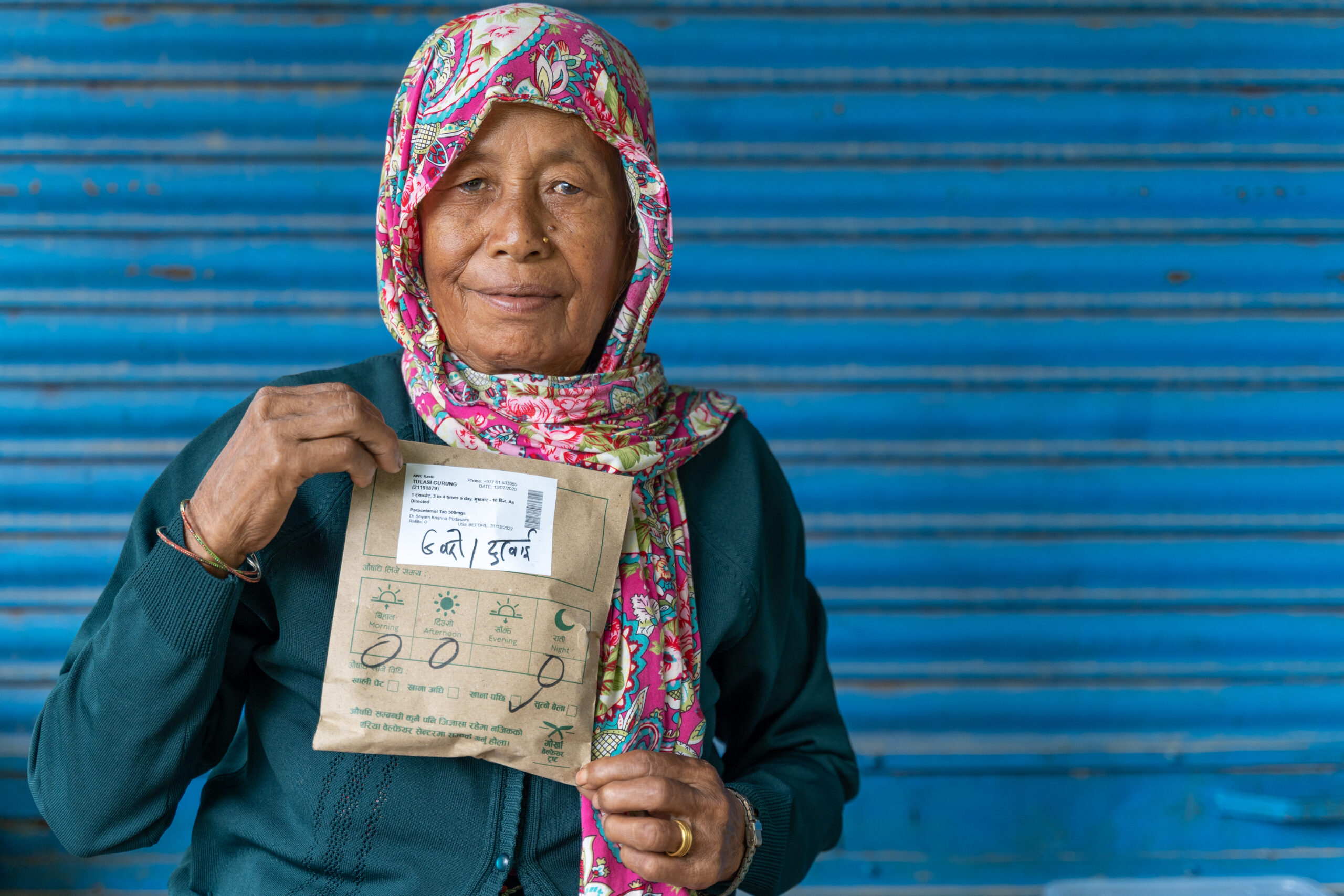
We provide an international standard of healthcare and medication to Gurkha veterans and their families living in Nepal. We do this through our regional medical clinics, via home visits by specialist staff, and by arranging subsidised treatment at carefully selected national hospitals.
During the year our medical staff made over 9,000 home visits. We delivered 40 hospital beds and 76 oxygen concentrators.
Thanks to you, our team carried out 104,231 medical consultations at our clinics and patrol bases. Our mobile staff carried out 9,088 home visits, and we held three medical camps attended by 1,701 people.
Bringing clean water and sanitation to Nepali communities
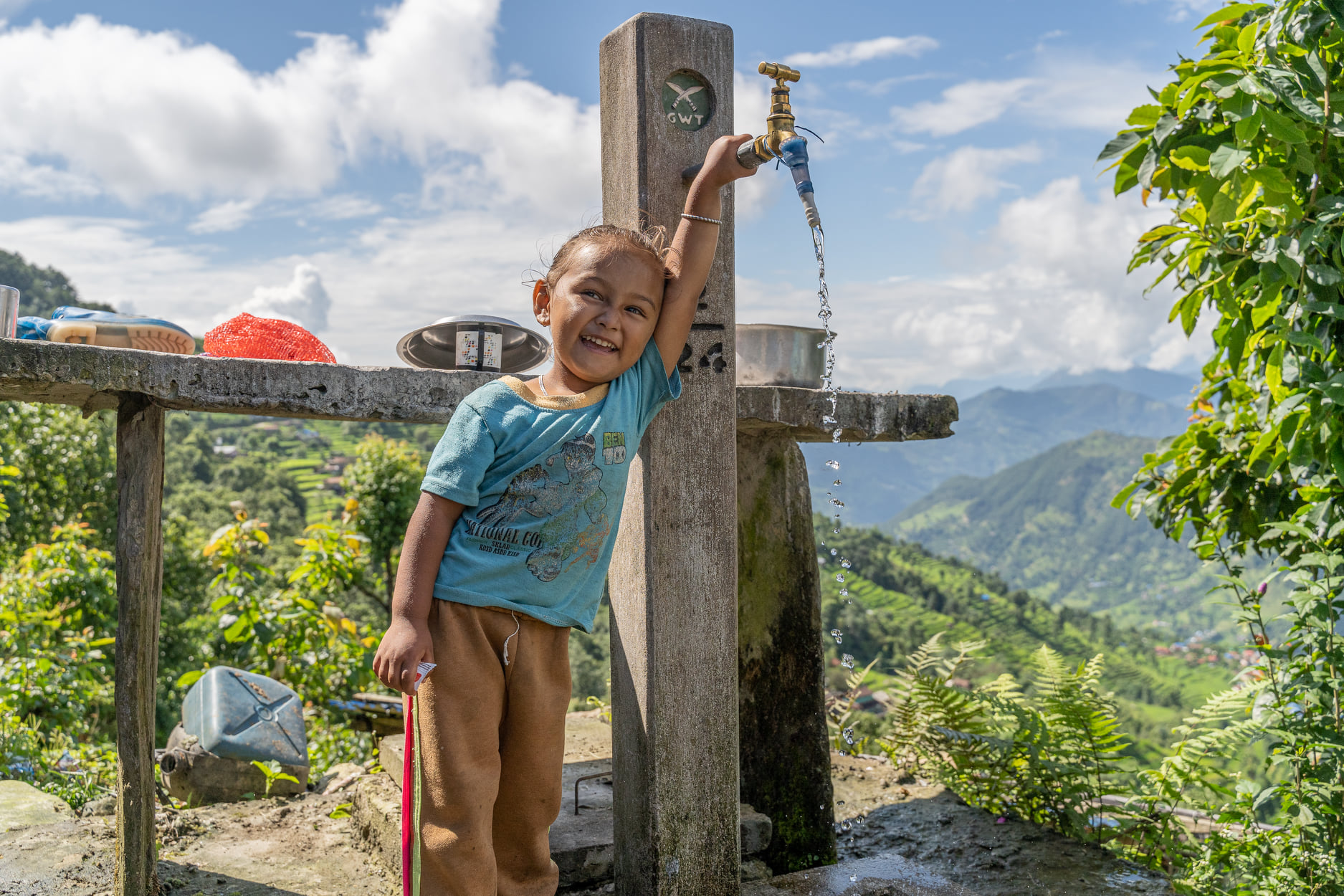
We install individual tap stands and toilets to households and schools. Given the mountainous terrain of Nepal, bringing clean water to a remote village is a mammoth task – from designing the water system and gathering the building materials, to laying pipes and installing tap stands.
Last year, thanks to your donations and help from UK Aid, a total of 76 projects and 8,883 tap stands were constructed. Over 5,652 households now have access to clean water, benefiting over 30,812 people.
A brighter future for Nepali children

Our Schools Programme builds, repairs and improves schools in remote regions of Nepal and, in turn, provides access to education and a better future for Nepali children. All of our new buildings are constructed to an earthquake-resilient standard to ensure their safety and longevity.
Last year we completed three major school builds, 12 building extensions and 90 refurbishment projects.
Protecting our pensioners from natural disasters

It’s not if another earthquake hits Nepal, it’s when. Nepal is situated in one of the most seismically active areas on Earth, at severe risk of an earthquake happening at any time. Resilience for the next earthquake is central to our thinking.
Last year we built 101 new homes for vulnerable pensioners, and rebuilt or repaired 13 homes. These homes offer a safer solution for some of our most vulnerable Gurkha veterans and widows.
More on our earthquake-resilient homes
Our Residential Homes

Our two Residential Homes provide round-the-clock care to Gurkha veterans and widows who would otherwise struggle to live alone. With no comparable facility in Nepal, our Residential Homes set the standard of care for the elderly, combining the best in western geriatric care with an eastern culture of respect for elders.
Our Residential Homes also host our new and flourishing rehabilitation facilities. The most common reasons for admission are rehabilitation after a stroke or hip fracture, following hospital admission for COPD or pneumonia, and nutrition rehabilitation for those who have lost weight for various reasons.
Our Residential Homes care for 36 residents, and have provided rehabilitation for 20 patients.