Our Earth, Our Planet: Our Commitment to Sustainability in Rural Nepal
This Earth Day 2026, we are illustrating how the global transition to a green economy starts at the roots—within the schools and households of rural Nepal. We are integrating infrastructure with behavioural change to build a resilient, sustainable future.
In the mountains of rural Nepal, true strength comes from communities working together to look after their natural resources. The Gurkha Welfare Trust’s water and sanitation programmes do more than just provide clean drinking water—they are a vital way to protect the environment.
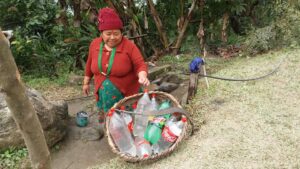
By installing local tap stands and water systems that use gravity to move water, we have helped communities move away from a reliance on plastic bottles. Through our “One House, One Tap” project, every litre of water used is a win against plastic pollution. Communities are fostering a culture of looking after the land, keeping the local environment and farming soil healthy for years to come.
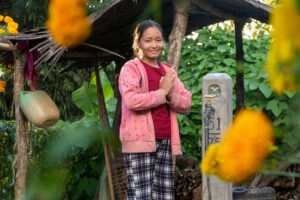
Inspiring the Next Generation: How Schools are Growing Green Ideas
The move toward a greener future is being led by the people who will inherit it: the children. Thanks to GWT-supported school clubs and committees, local schools have become centres for protecting the environment.
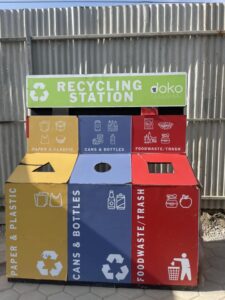
– Smart Waste Management: Students aren’t just picking up litter; they are leading the way in sorting waste. By using a system of three colored bins, schools are teaching children the importance of recycling.
– Changing Habits: Lessons in hygiene have grown into a deeper love for nature. Students are taught that small actions—like keeping their school clean and protecting local water sources—are part of a much bigger global effort.
– Celebrating Nature: Beyond the classroom, students are busy planting trees and greenery around their schools. They also organise special event days to celebrate and support the environment, turning their schools into bright, green spaces for everyone.
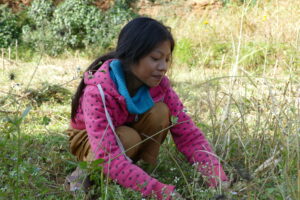
Smart Farming: Growing More While Saving the Planet
The most colourful part of our “Our Planet” project is the thriving vegetable gardens now found at homes throughout the region. Because water is precious, GWT has introduced simple drip irrigation—a low-cost, highly effective way to water plants.
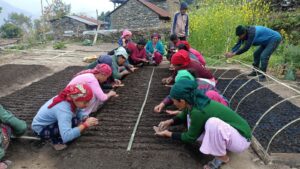
“We are growing more with less,” explains one community member. “The drip systems make sure no water is wasted, and our vegetables grow better than ever. It has improved our health and even helped us earn a little extra money to put back into our community.”
These home gardens do three important things:
1. Healthy Food: They provide families with fresh, nutritious vegetables all year round.
2. Saving Water: They use farming methods that stop water from being wasted.
3. A Greener Environment: More plants improve air quality and make the community stronger against the effects of climate change.
Working Together for a Greener Future
We aren’t just teaching others how to be green; we are doing it ourselves. By partnering with experts like Doko Recyclers, The Gurkha Welfare Trust is making its own offices and operations more eco-friendly.
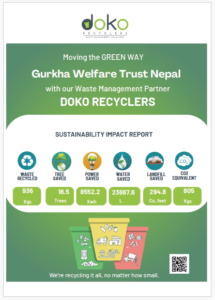
So far, we have recycled nearly a ton of waste. This effort has saved thousands of litres of water and a huge amount of electricity, proving that we are committed to practising exactly what we preach.
Our Power, Our Planet: Working Together for a Greener Nepal
Our planet stays healthy when we all take small steps to protect it. Recent data from our main offices and centres—including Bagmati, Dharan, Kaski, and Pokhara—shows just how much we can achieve when we commit to saving our natural resources.
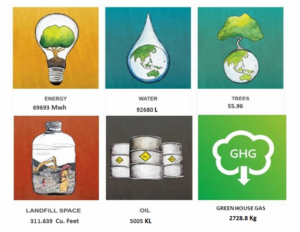
By turning waste into something useful and making conservation a daily habit, we are protecting the environment that supports us all.
Our Impact in Numbers:
– Waste: We kept 6,768 kg of rubbish out of landfills.
– Trees: We saved nearly 119 trees, which are essential for local wildlife.
– Water: We saved over 161,000 litres of water.
– Energy: We saved over 112,000 kWh of power.
– Clean Air: We prevented over 5,800 kg of CO2 from entering the atmosphere.
This success proves that when local communities take responsibility, it is part of a movement of change across the world.