Many hands make pipes work
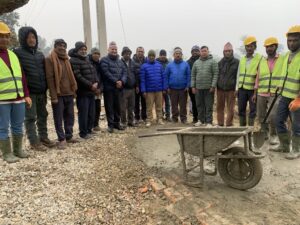
It takes a whole community to contribute to a successful water project and our current scheme in Bodhban is no different.
Bodhban Tole, a village situated about 130km (three and a half hours’ drive) east of our Area Welfare Centre in Chitwan, is set to experience a life-changing transformation. Positioned in the fertile plains of the Terai in southern Nepal, this village has long grappled with challenges that hinder its development and the well-being of its residents.
The Struggles of Everyday Life
For most villagers, life revolves around agriculture. Their primary income source is the rice they cultivate and sell from their fields. A small portion of the population supplements their earnings through fish farming in local ponds. However, poverty remains widespread, forcing many of the younger generation to seek employment in India or further abroad.
Access to clean drinking water has been a persistent problem. Villagers rely heavily on wells with hand pumps, and the water is often unsafe for consumption. As a result, many travel to nearby streams to collect water for drinking and washing clothes. This practice poses a significant burden, particularly on women, who spend valuable time collecting water instead of tending to their fields or caring for their families.
In addition, the lack of sanitation and hygiene awareness results in health problems in the community, leading to frequent illnesses such as diarrhea and dysentery. These preventable diseases not only lower the quality of life for residents but also strain their limited financial resources.
Hope on the Horizon
Recognising these pressing challenges, the local community sought assistance from The Gurkha Welfare Trust (GWT). Responding to their request, GWT’s technical team surveyed the area and approved the request for a safe drinking water project.
The Government of Nepal had already constructed a deep borewell in the community forest near the village, which had remained unused until now. In collaboration with local authorities, the community secured permission to utilise the borewell. Subsequent testing confirmed that the water quality met safety standards, paving the way for a sustainable solution.
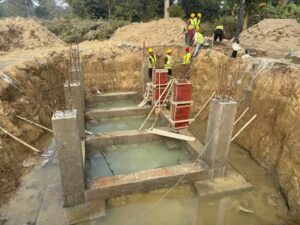
Collaborative Construction
This project, as with all our water projects, involves the whole community. We work with the village to establish a Water Users Committee, encouraging women and people from marginalised castes to take up named roles such as Chair, Treasurer or Secretary. Forming these committees empowers the entire community to take responsibility for the project and ensure its sustainability into the future.
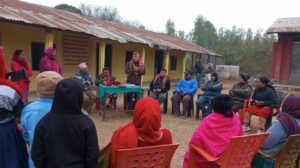
Building with the community
By exclusively employing local labour, including female labourers, the project directly benefits the local economy and provides the team with invaluable local expertise. This knowledge is crucial in identifying the most suitable and cost-effective sources of construction materials from the local area.
This project uses 10,014 metres of pipe. One of the major challenges of a construction project in rural Nepal is transporting the building materials to the site. But where there is a will there is a way!
Once this project has been completed we will have installed 208 individual metered water taps across the village. These taps will be connected to a system that lifts water from the borewell to newly constructed overhead tanks, ensuring a steady supply of safe drinking water directly to each household.
Transforming Lives
Once operational, the project is expected to significantly enhance the quality of life in Bodhban Tole. Access to clean drinking water at their doorsteps will save villagers significant time spent fetching water, allowing them to focus on productive activities and family life. The reduction in waterborne illnesses will not only improve public health but also reduce medical expenses for families, fostering a healthier and more prosperous community.